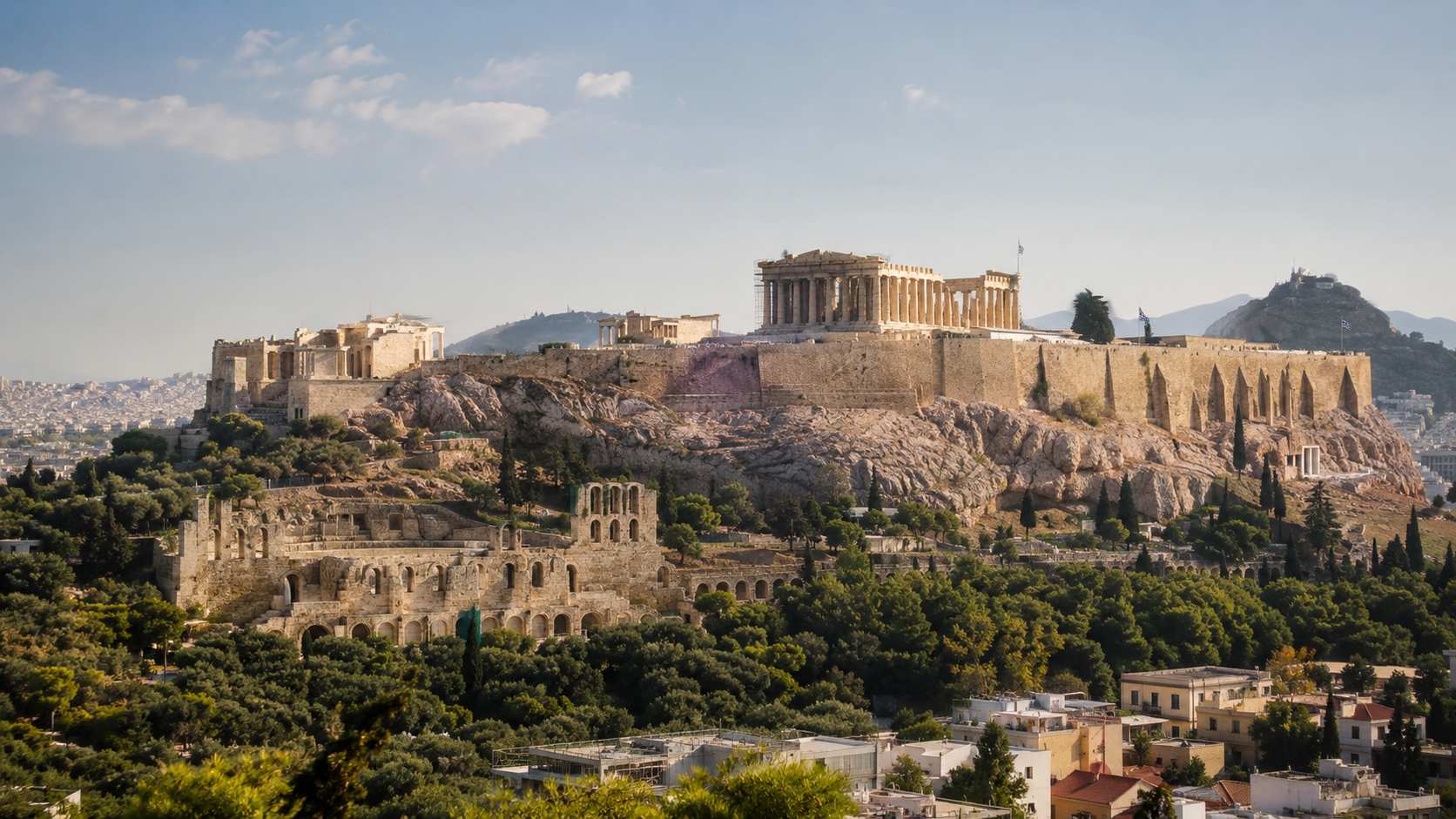
Rome is an open-air museum where the ancient, medieval and baroque sit on top of one another within a walkable centre. It is also intensely seasonal, and going at the wrong time turns a great city into a queue.
What to see
The Colosseum, the Roman Forum and the Palatine share a ticket and need booking with a timed entry. The Pantheon is free or near-free, extraordinary, and takes twenty minutes.
The Vatican Museums and the Sistine Chapel need booking well ahead; going first thing or late in the day is markedly better than mid-morning. St Peter's Basilica is separate and free, with its own security queue.
The Trevi Fountain, the Spanish Steps and Piazza Navona are all free and all best early in the morning.
The neighbourhoods
Trastevere is the most enjoyable place to eat and wander, across the river and full of small restaurants. Monti, behind the Forum, is similar and closer in. The centro storico is beautiful and expensive.
Testaccio is where the food is best and the prices are lowest, a short tram ride from the centre.
How long to stay
Three nights minimum, four if you want the Vatican without rushing. Two nights means choosing between ancient Rome and the Vatican, which is a real choice rather than a compromise.
What it costs
Cheaper than Paris or Amsterdam. Coffee standing at the bar costs a fraction of the same coffee sitting down, and that pattern runs through Roman pricing generally.
Eating near the major sights is expensive and poor; walking five minutes away transforms both. Entry fees for the Colosseum and Vatican are the main fixed costs.
When to go
Winter, if you can. Rome is mild, the queues collapse and prices drop, and the city is at its most liveable. Spring and autumn are pleasant but busy.
July and August are very hot, very crowded and the worst time to queue outdoors. Our guide to Italy covers the rest of the country.
Getting there and around
Frequent flights to two airports, both with train links to the centre. Rome's centre is walkable and that is how most visitors get around; the metro is limited because digging in Rome keeps finding ruins.
Buses fill the gaps and are cheap. Validate tickets before boarding.
Practical points
Where to stay
Monti and Trastevere are the most enjoyable, both walkable to the sights and full of places to eat. The area immediately around Termini station is cheapest and least appealing.
Prati, near the Vatican, is quiet, residential and well connected, and a sensible compromise on price. Staying within the historic centre saves a great deal of walking on a short trip, and Rome is a city where you will walk a lot regardless.
Cover shoulders and knees for St Peter's and the Vatican Museums, which is enforced at the door. Carry a refillable bottle: the public fountains run constantly with drinkable water and are one of the city's better small pleasures.
Day trips
Ostia Antica, the Roman port city, is thirty minutes by train and considerably quieter than Pompeii for a similar experience. Tivoli, with Hadrian's Villa and the fountains of Villa d'Este, makes a full day. Both are straightforward on public transport and give a break from the crowds of the centre.
Eating well
Roman cooking is a short list done properly: carbonara, cacio e pepe, amatriciana, artichokes. A restaurant offering pizza, pasta and everything else on a laminated menu near a monument is not the place. Testaccio and Trastevere are where to look, and lunch is consistently better value than dinner.